

If it feels like every new restaurant you walk into has more plants than a garden center, you arenot imagining things. Designers and owners are leaning hard into biophilic design, which is afancy way of saying “bring nature inside so people feel good.” From leafy ceilings to sunlitcorners, this trend is reshaping dining rooms in a way that even casual design fans can spot themoment they sit down.
What Is Biophilic Design, Really?
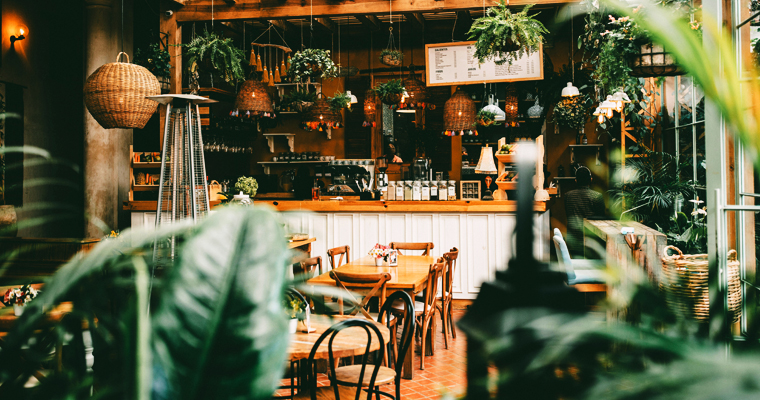
Biophilic design is all about reconnecting people with nature inside built spaces. In a restaurant, that might look like real greenery climbing up a column, warm wood tables that still show the grain, stone counters that feel solid and grounded, and big windows that let in daylight instead of relying on harsh overhead fixtures. Even small moves, like putting a row of plants along the back of a banquette or adding a single “green wall” behind the host stand, can soften the room and make guests feel more relaxed before they even order a drink. You do not have to turn the dining room into a jungle. You just need a few intentional touches that remind people they are not eating inside a box.
Why Diners Are Craving Nature Right Now
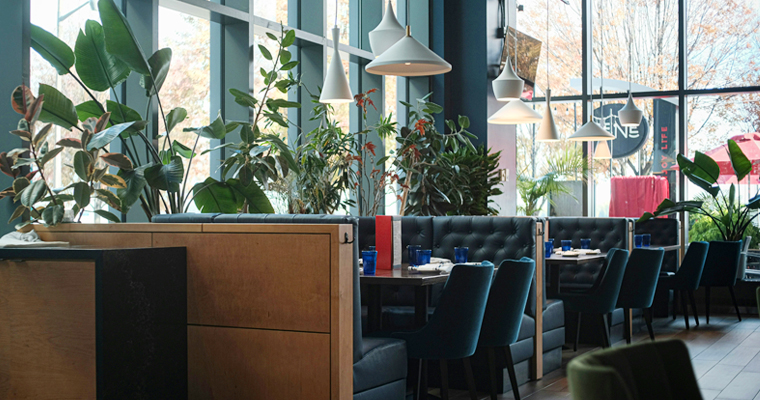
After years of screens, noise, and stress, guests are drawn to spaces that feel calm, warm, andhuman. Biophilic restaurants tap into that without needing a big speech about wellness. When aguest walks into a room with plants, natural textures, and softer light, their shoulders literallydrop a little. They feel like they have stepped away from the chaos, even if they are still in themiddle of a busy city.
For operators, that mood shift is not just about vibes. A calmer, more grounded environmentnudges people to slow down, have one more conversation, maybe add a shared appetizer ordessert. Imagine a corner table framed by a few tall plants and a view toward the window. Itinstantly feels like “our spot,” the place friends choose for a weekly catch up or coworkers usefor a low pressure lunch. That repeat behavior is where design quietly supports revenue, withouta single extra line on the menu.
Simple Ways To Add Nature On A Real-World Budget
You do not need a huge remodel to lean into this trend. Many owners start with one or two zones instead of the entire floor. For example, you might pick the section that photographs best and give it a small makeover: real or high quality faux plants at different heights, a wood or stone surface that guests actually touch, and a slightly warmer bulb in the pendant above the table. When someone snaps a photo of their meal, those elements show up in the background and instantly say “this place is cozy” without any extra explanation.
Even circulation and layout can support the feeling of nature. Leaving a bit more space between a plant cluster and the next table creates a visual “breathing room” that guests may not notice consciously, but they feel it. Pair that with a clear path to natural light, instead of blocking the windows with storage or bulky furniture, and the whole dining room feels brighter, fresher, and more intentional. It is less about buying a truckload of new decor and more about rearranging what you already have so the space can breathe.
Turning Greenery Into Part Of Your Brand
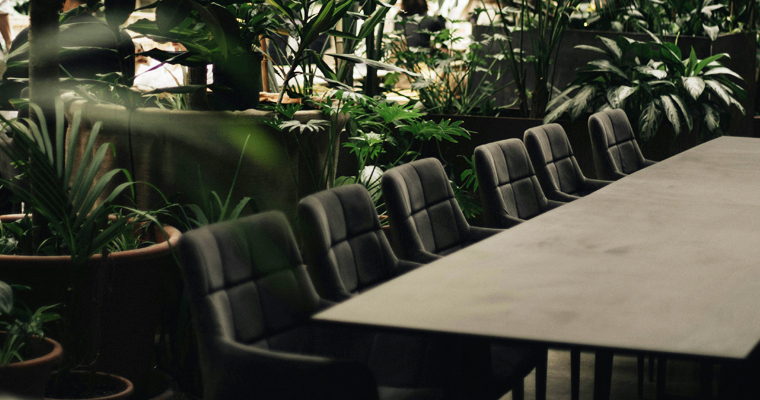
Biophilic design is not just a look, it is a story opportunity. When the natural elements you choose connect back to your concept, guests remember you more clearly. A coastal seafood restaurant might use bleached woods, grasses, and light, airy plants that feel like dunes and shoreline. A neighborhood taco spot might lean into clay pots, rough plaster, and deep green foliage that echo the landscapes the food comes from.
This also plays extremely well on social media. A single, well designed green corner can become the unofficial photo backdrop for your regulars. Picture a small bench under a leafy wall with your logo subtly worked into the composition. People meet there, post from there, tag you from there. Over time, that corner becomes visual shorthand for your brand. Guests may not know the term “biophilic design,” but they know your place as “the restaurant with the plants and the good light,” which is exactly what you want when they are scrolling for where to eat tonight.
Cohesive Design Group helps restaurants use biophilic design in a way that fits real budgets and real kitchens. We can walk your space, identify where natural elements will have the biggest impact, and create a layout and materials plan that feels fresh without feeling trendy for only one season.
We also look past the pretty pictures. When we design, we are thinking about how changesmight affect dwell time, average check size, repeat visits, and even how often guests post yourspace online. If you want your dining room to feel greener, calmer, and more memorable, reachout to Cohesive Design Group and let us sketch out a nature-forward version of your restaurantthat still works on a busy Friday night.