

What’s your restaurant really selling? Spoiler: it’s not just food.

The days when a great dish alone guaranteed repeat customers has sadly passed.
In the last few years, diners have been craving experiences as much, if not more than entrées.From biophilic themed rooftops to moody jewel toned and neon-lit lounges, restaurants are transforming into destinations. And it’s not just a vibe; it’s strategy. In this issue, we explore how architectural interior design fuels this shift, and how you can ride the wave of experiential dining to boost your brand, your bookings, and your bottom line.
Design Tells Your Story. Your space should narrate what your menu starts.
Whether it’s a steampunk sushi bar or a Mediterranean oasis with olive trees under skylights,storytelling through design creates emotional resonance. Guests remember a place by how itmade them feel in addition to the quality of the food, and they post it, too. Everything from thefloors to the ceiling-creative finishes, interesting details, seating and great lighting can andshould be intentional in communicating the identity of your restaurant.
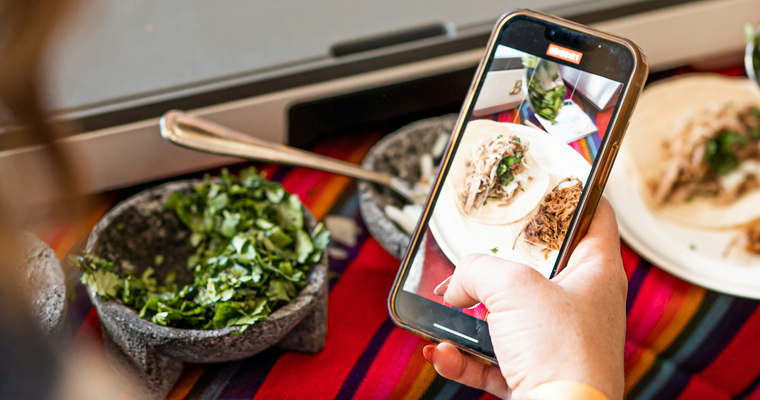
According to a recent OpenTable survey, 78% of Gen Z diners (And 60-66% of all othergenerations) choose restaurants based on ambiance and Instagrammability over price orproximity. That’s your cue to lead with experience.
Lighting = Mood = Money.
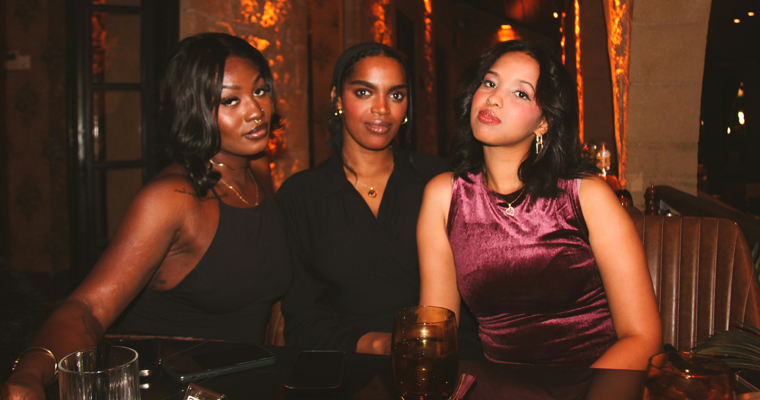
Strategic lighting is one of the most underutilized profit tools and one of the most important inrestaurant design. How your food and your guest look / feel matters.Cool-toned lights create a modern, minimalist feel; warm tones trigger coziness and longer tablestays. Interactive lighting (like projected visuals or color shifts) addsa wow factor that can setyour brand apart.
A Cornell Hospitality study found that ambient lighting increased diners’ likelihood to orderdessert by 23%. Want a higher average per cover or just more covers per night? Light it right.
Immersive Elements Build Loyalty.
Think tactile walls, scent diffusion, ambient soundscapes, or even table tech.Experiential design isn’t just visual. Multi-sensory elements deepen customer engagement andextend average dwell time, which often correlates to higher spend per table. Whether it’stouchscreen drink menus or a secret garden behind a bookcase, these moments drive buzz andreturn visits.