
For a while, every new restaurant seemed to look like the same beige coffee shop, with gray walls, metal chairs, and a couple of sad plants trying their best. Guests are over it.
Warm minimalism is stepping in as the calmer, cozier cousin of traditional minimalism. Think simple rooms that still feel human, with softer colors, rounded edges, and natural materials that bring warmth to the space. Restaurant design trend reports point to warm minimalism as one of the leading looks for 2026, especially for restaurants that want to feel polished and welcoming.
What Warm Minimalism Actually Looks Like Inside A Restaurant
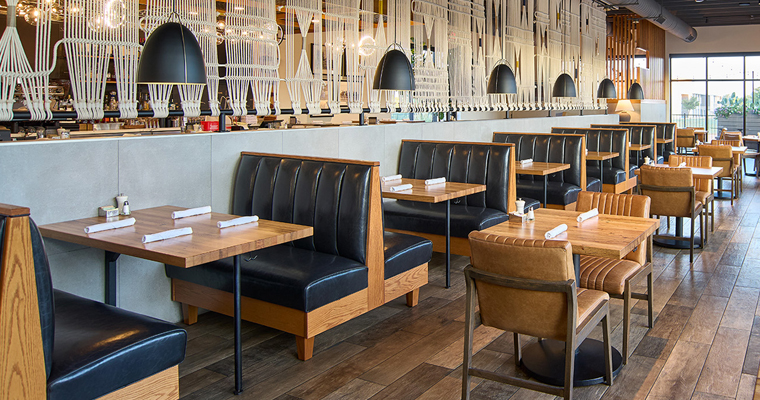
Warm minimalism keeps the “less is more” part of minimalism but trades the gallery vibe for something closer to a modern neighborhood dining room. Think creamy or sand-colored walls, wood tables with visible grain, and upholstered seating with gentle curves. The space still feels edited and uncluttered, with a few well-chosen textures and materials that make it feel welcoming.
In practice, that might mean a bar wrapped in warm wood, softly lit shelving, plaster or limewashed walls with subtle variation, and fabric-covered banquettes that soften the room. The design feels intentional and relaxed, the kind of place where you can settle in and have a conversation at normal volume. Recent interior design reports describe this shift as soft minimalism, with organic curves and warm materials replacing the rigid lines and cool tones that once dominated.
Why Guests Feel Different In A Warm Minimal Space
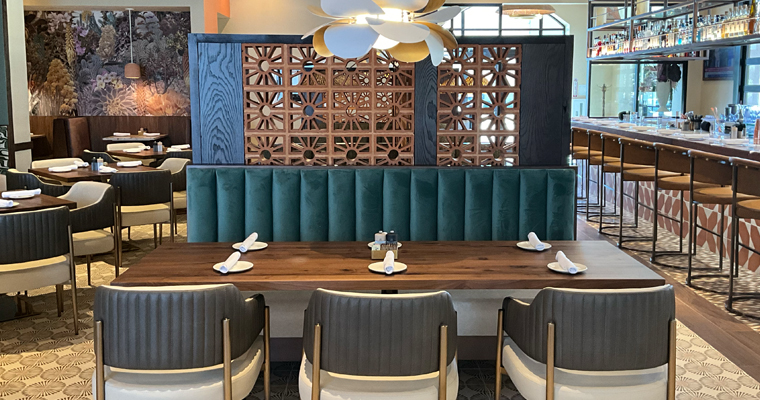
Atmosphere has always mattered, and it can help a restaurant stand out when diners have plenty of options within a short drive. Surveys show that more than half of American diners consider atmosphere a crucial factor when choosing where to eat, often ranking it above speed of service or even online reviews. When guests walk into a room where they can hear each other talk, the lighting is easy on the eyes, and the finishes feel warm, they’re more likely to settle in.
A warm minimalist space shows that you’ve thought about how guests will feel from the moment they sit down. A little breathing room between tables, chairs that don’t dig into people’s backs, and lighting that flatters faces give guests a reason to linger. Those extra ten or fifteen minutes might be when someone decides to order dessert or another drink. Guests rarely say, “We came back because the chairs had curved backs and the walls were mocha.” They say, “We just like how it feels in there.”
Using Color, Light, And Materials Without A Full Remodel
The nice thing about warm minimalism is that you don’t have to tear everything out to make it work. Many restaurants are starting with simple updates to finishes and lighting. If your dining room is full of cool grays, try swapping in tabletops or chair seats in a warmer wood tone and repainting a few walls in a soft, earthy color that complements your brand. Restaurant design forecasts for 2026 point to earthy terracotta tones, muted greens, and richer neutrals. These colors give a room personality while keeping the overall palette calm.
Lighting can change the mood just as much. Warm minimalist spaces often layer light at different heights and intensities, with enough light to read the menu and a soft glow that flatters both the food and the people around the table. A few fixtures with diffused shades, dimmers, or slightly warmer bulbs can shift the feel of the whole room. Aim for a space that feels clean and composed by day and warm, inviting, and a little cinematic at night.
Keeping It Warm, Not Bare
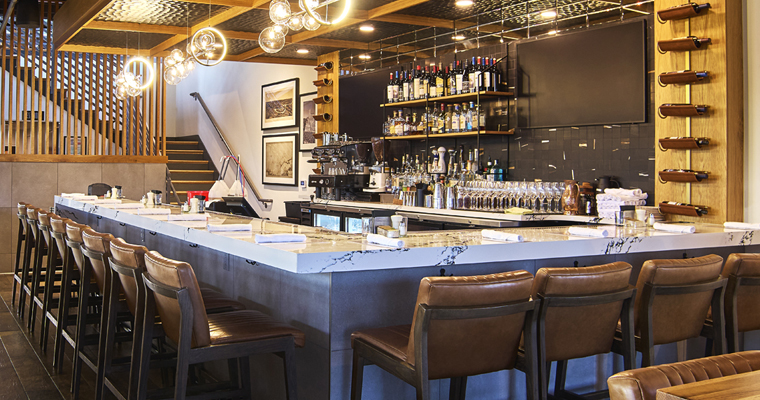
The line between warm minimalism and a room that feels empty can be thin. Choose fewer pieces and make each one count. A single piece of art that speaks to your restaurant’s story, a shelf with a few meaningful objects, or a sculptural pendant over the host stand can give the room a focal point. Give each piece enough space to stand out.
Shapes and finishes do a lot of the work. Rounded chair backs, a stone or wood bar front, textured walls, and upholstery that feels good to the touch all add warmth without adding clutter. Hospitality design coverage often points to organic shapes and tactile finishes as defining features of soft minimalism. Together, they help create the kind of room guests want to settle into and come back to.
Cohesive Design Group helps you bring warm minimalism into a restaurant that works as well as it looks. We look at your layout, lighting, and materials, then develop a plan that makes the dining room feel calmer and more inviting for guests and easier for your team to run on a busy Friday night.